
Choosing the right payment methods for online stores in Pakistan can make or break your sales. Many Pakistani shoppers are happy to order online, but they want to pay in a way they trust. Offer only one payment option, and you will lose customers who prefer another. Offer the right mix, and more visitors will complete their orders. This guide compares the payment methods that work best for Pakistani online stores: cash on delivery, JazzCash, and bank transfer.
At BlueCraft Digital, our online stores start from PKR 40,000, and we set up the payment options that suit each business. Every website project we deliver includes 30 days of free support. If you are planning a store, read our guide to how much a website costs in Pakistan first, so you know what a store should include.
1. Cash on delivery (COD)
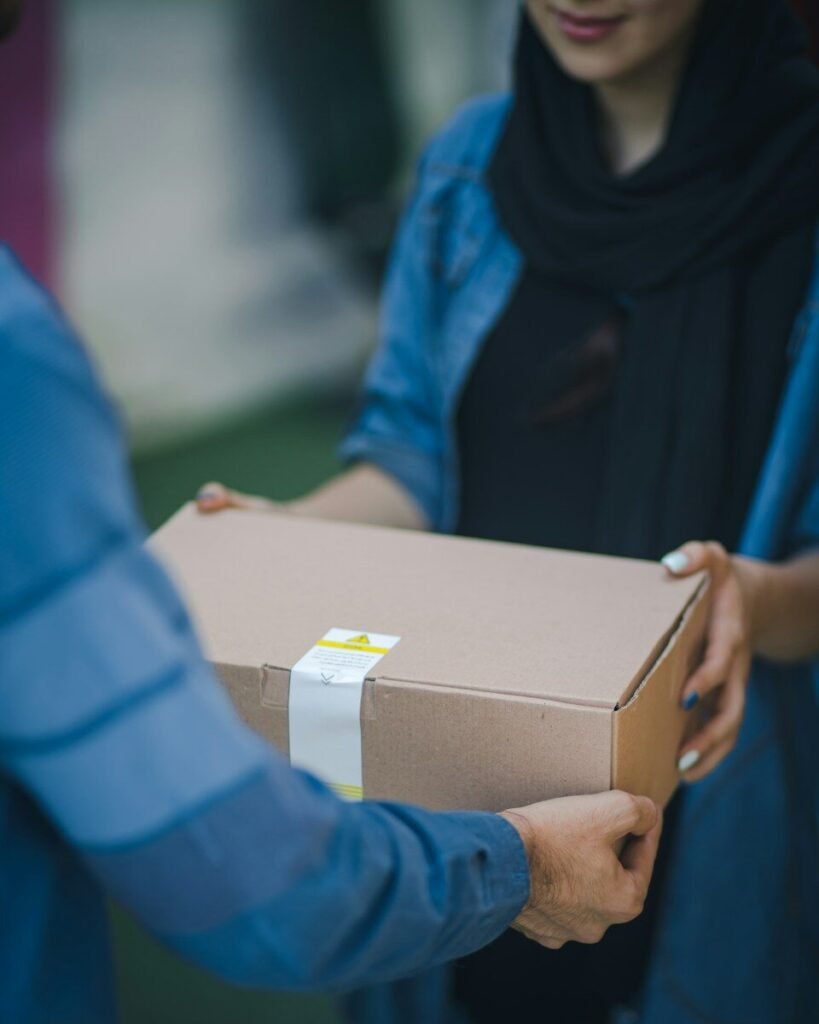
Cash on delivery is still the most popular way to pay for online orders in Pakistan. The customer orders on your website, the courier delivers the parcel, and the customer pays in cash when it arrives. For many shoppers, COD feels safe, because they do not have to pay before they receive the product.
For a store owner, COD has a real downside: some customers refuse the parcel or are not available when the courier arrives, and the parcel comes back. That costs you courier charges and time. You can reduce this by confirming every order by phone or WhatsApp before you dispatch it, and by making your delivery charges and delivery times clear on the website.
COD is almost essential for a new store in Pakistan. Customers who have never bought from you before are far more likely to place a first order if they can pay on delivery. Once they trust you, many will switch to advance payment for later orders.
2. JazzCash
JazzCash is one of the most widely used mobile wallets in Pakistan. Customers can pay from their JazzCash account or app, and many small businesses also accept JazzCash payments to a business wallet. It is useful for stores that sell lower-priced products, where customers do not want the hassle of a bank transfer for a small order.
To accept JazzCash, you need a JazzCash merchant or business account, and you need to connect it to your store or share your payment details clearly at checkout. Make the steps simple: tell the customer the exact amount, where to send it, and what to do after paying, such as sending a screenshot on WhatsApp. Keep a record of every payment against its order number, so nothing gets mixed up.
Mobile wallets are also popular because many customers in Pakistan do not have a debit or credit card for online payments. A wallet gives them a way to pay in advance without a card.
3. Bank transfer
Bank transfer is the usual choice for larger orders and for business-to-business sales. The customer transfers the amount to your bank account, often through their bank app, and sends you proof of payment. It costs the customer nothing extra in most cases, and the money goes straight into your account.
The main risk with bank transfers is delay: an order is not confirmed until the payment arrives, and some customers forget to send proof. To keep things moving, show your bank details clearly at checkout, state the account title and number exactly, and ask customers to send a screenshot of the transfer on WhatsApp with their order number. Check payments regularly and confirm each order as soon as the money arrives.
Bank transfer also suits customers who are already comfortable with online banking, and it is a good option for custom orders, bulk orders and services, where the amount is larger than a typical COD parcel.
What about cards and other wallets?
Debit and credit cards are growing in Pakistan, but they are still less common than COD and mobile wallets for many small stores. If your store uses Shopify or WooCommerce, card payments are possible through a payment gateway, but setup, fees and approval depend on the gateway, so check the current terms before you promise card payments to customers. Easypaisa is another mobile wallet that works in a similar way to JazzCash, and some stores offer both so customers can use whichever wallet they already have.
Do not offer ten payment methods at once. Two or three clear options are easier for customers to understand, and easier for you to manage. COD plus JazzCash plus bank transfer covers most Pakistani shoppers.
How to choose the right mix for your store
Think about your products and your customers. A store selling clothes or cosmetics to customers across Pakistan will need COD, because many first-time buyers will not pay in advance. A store selling digital services, courses or custom work should ask for advance payment by bank transfer or JazzCash, because there is no parcel to deliver. A store with higher-priced products should offer bank transfer, so customers are not carrying large amounts of cash.
Whatever you choose, write it down clearly. Your checkout page should state the payment methods, the delivery time, the delivery charges and the return policy in plain language. Confusion at checkout is one of the main reasons customers abandon their orders.
Setting up payments on Shopify and WooCommerce
Both Shopify and WooCommerce let you offer COD, manual bank transfer and mobile wallet payments. COD and bank transfer are usually set up as manual payment methods, with instructions shown to the customer at checkout. Wallets can be offered in the same way, or through a gateway if one supports them. Test every method yourself with a real order before you launch, and check that the order confirmation, the payment instructions and the WhatsApp message all work.
If you are still deciding between platforms, read our guide to how to create a website in Pakistan and see our eCommerce solutions. And if you want a store with payments set up properly from day one, contact BlueCraft Digital, call +92 301 1387706 or email info@bluecraftdigital.com. We are based in Sargodha, Pakistan.